Yes, you can add a popup to Shopify without an app. All it takes is a single lightweight embed script pasted once into your theme.liquid file. After that, every popup you create, edit, or launch goes live automatically, no app installed, no developer needed, no Shopify App Store required.
Most Shopify store owners assume a popup means installing another app. That assumption costs them page speed, money, and control they never needed to give up. Every app installed on your Shopify store adds JavaScript to your storefront, and that JavaScript has a cumulative effect on load times, Core Web Vitals scores, and ultimately your search rankings. A Shopify popup no code setup using a script-based tool skips all of that entirely. This guide walks you through the whole process from start to finish.
Can You Add a Popup to Shopify Without an App?
Yes, and for most store owners, it is the better way to do it.
The difference comes down to how the popup tool connects to your store. An app-based popup installs through the Shopify App Store and runs inside Shopify's app infrastructure, it adds to your app count, runs its own scripts through Shopify's app layer, and is tied entirely to the Shopify ecosystem. A script-based popup like SuperPopups connects to your store through a single embed code pasted once into your theme.liquid file. That is the only technical step. Everything else, design, targeting, triggers, analytics, is managed from an external dashboard.
|
App-Based Popup |
Script-Based Popup (SuperPopups) |
| Installation |
Shopify App Store install |
Single script in theme.liquid |
| App count |
Adds to your installed apps |
No app added to your store |
| Speed impact |
Varies, many run 150KB–400KB+ |
Minimal, under 50KB, async load |
| Platform lock-in |
Shopify only |
Works on Shopify, WordPress, Webflow, any site |
| Management |
Inside Shopify admin |
External dashboard |
| Cost |
Monthly app subscription |
Free plan available |
The practical implication: if you ever expand your business to a second platform, a script-based popup builder for Shopify moves with you, same tool, same setup, no new subscription.
Why Add a Popup to Shopify Without an App?
There are three concrete reasons store owners choose a Shopify popup without app installation, and none of them are about being technical. They are about running a faster, leaner store.
Page Speed: The One Your Customers Feel Immediately
Every app you install on Shopify adds JavaScript that runs on your storefront. Some apps are well-optimised. Many are not. The cumulative effect of five, eight, or ten apps running scripts on your store is measurable in Google PageSpeed Insights and felt in bounce rates. A Shopify popup script under 50KB that loads asynchronously, meaning your store's content loads first and the popup loads in the background, has near-zero impact on your Core Web Vitals (LCP, CLS, FID). A heavy app-based popup tool running 300KB of JavaScript does not.
Platform Flexibility: Your Tool Should Work Everywhere You Do
A no-code popup builder for Shopify that is script-based works equally on WordPress, Webflow, Squarespace, or a custom HTML site. If your brand runs a blog on WordPress alongside your Shopify store, the same SuperPopups embed code covers both. You manage all your popups, across all your platforms, from one dashboard. App-based tools cannot offer this.
No App Dependency: Full Control, No Middleman
When you install a Shopify app, you are subject to that app's pricing changes, availability, Shopify's approval process, and the app developer's decisions. A script-based popup builder sits outside that dependency entirely. You own the setup. If SuperPopups updates or changes, your existing popups keep running, and you can switch tools without rebuilding from scratch inside Shopify's admin.
And the business case for having any popup running on your Shopify store? Shopify exit intent popups convert at 17.12% on cart pages, that is 17 out of every 100 abandoning visitors brought back before they leave. The installation method does not change that number. Having one running does.
How to Add a Popup to Shopify Without an App: Step-by-Step
This walkthrough uses SuperPopups, a no-code popup maker built for Shopify, ecommerce, and SaaS that installs via a single embed script, works on any Shopify theme, and takes under 10 minutes from signup to a live popup on your store.
Step 1: Sign Up Free at SuperPopups
Go to superpopups.com and create a free account. No credit card required. The free plan includes everything you need to build and launch your first popup templates, trigger settings, targeting controls, and a real-time analytics dashboard.
Step 2: Choose Your Popup Type
Once inside the dashboard, select what kind of popup matches your current goal:
- Shopify email capture popup, collect email addresses in exchange for a discount or resource
- Shopify exit intent popup, intercept visitors who are about to leave your store
- Shopify welcome popup, greet first-time visitors with an offer before they scroll past it
- Shopify cart abandonment popup, recover visitors leaving the cart or checkout page
- Shopify popup discount, flash sales, first-order offers, limited-time deals
- Sticky bar, persistent banner fixed to the top or bottom for ongoing promotions
Step 3: Pick a Template
SuperPopups includes a library of professionally designed popup templates built for e-commerce goals. Select the one that fits your offer, then move to the editor.
Step 4: Customize in the Visual Editor
Edit headline, body copy, CTA button text, colours, and fonts directly in the no-code visual editor. No HTML. No CSS. You see exactly how the popup looks on both desktop and mobile before you publish. Write a specific, benefit-first headline ("Get 15% Off Your First Order, Today Only") rather than a generic one ("Welcome!"), It makes a measurable difference in Shopify popup conversion rate.
Step 5: Set Your Trigger Rules
Choose when the popup fires:
- Exit intent fires when the visitor's cursor moves toward the browser's close or back button. Best for cart abandonment and last-chance discount offers
- Time delay, fires after the visitor has been on the page for a set number of seconds. Best for welcome popups and email capture
Step 6: Set Your Targeting Rules
Control exactly who sees the popup and where:
- Page targeting: show the popup only on your cart page, a specific product page, or across all pages
- Device targeting: show on desktop only, mobile only, or both
- Display frequency: once per session, new visitors only, returning visitors only, or everyone
Getting targeting right is what separates a best popup for Shopify setup from one that feels intrusive. A Shopify cart abandonment popup should fire on the cart page only, not the homepage.
Step 7: Copy the Embed Script and Paste into theme.liquid
Once your popup is configured, SuperPopups generates a single lightweight Shopify popup script. Copy it, and follow the steps in the next section to paste it into your theme.
How to Paste the Popup Script into the Shopify theme.liquid
This is the only technical step in the entire process. It takes approximately 60 seconds:
- Log in to your Shopify Admin
- Go to Online Store → Themes
- Click Actions → Edit Code on your active theme
- In the file list on the left sidebar, open the theme.liquid
- Scroll to the very bottom of the file and find the closing </body> tag
- Paste your SuperPopups embed script just before </body>
- Click Save
Your popup is now live on your Shopify store. This is a one-time step. Every popup you create, edit, or publish in SuperPopups going forward goes live automatically, no further changes to theme.liquid required. This is what makes the how to embed popup on Shopify process so clean with a script-based tool: install once, then manage everything from the dashboard forever.
Must Read: Best Popup Builder for Shopify Stores (2026)
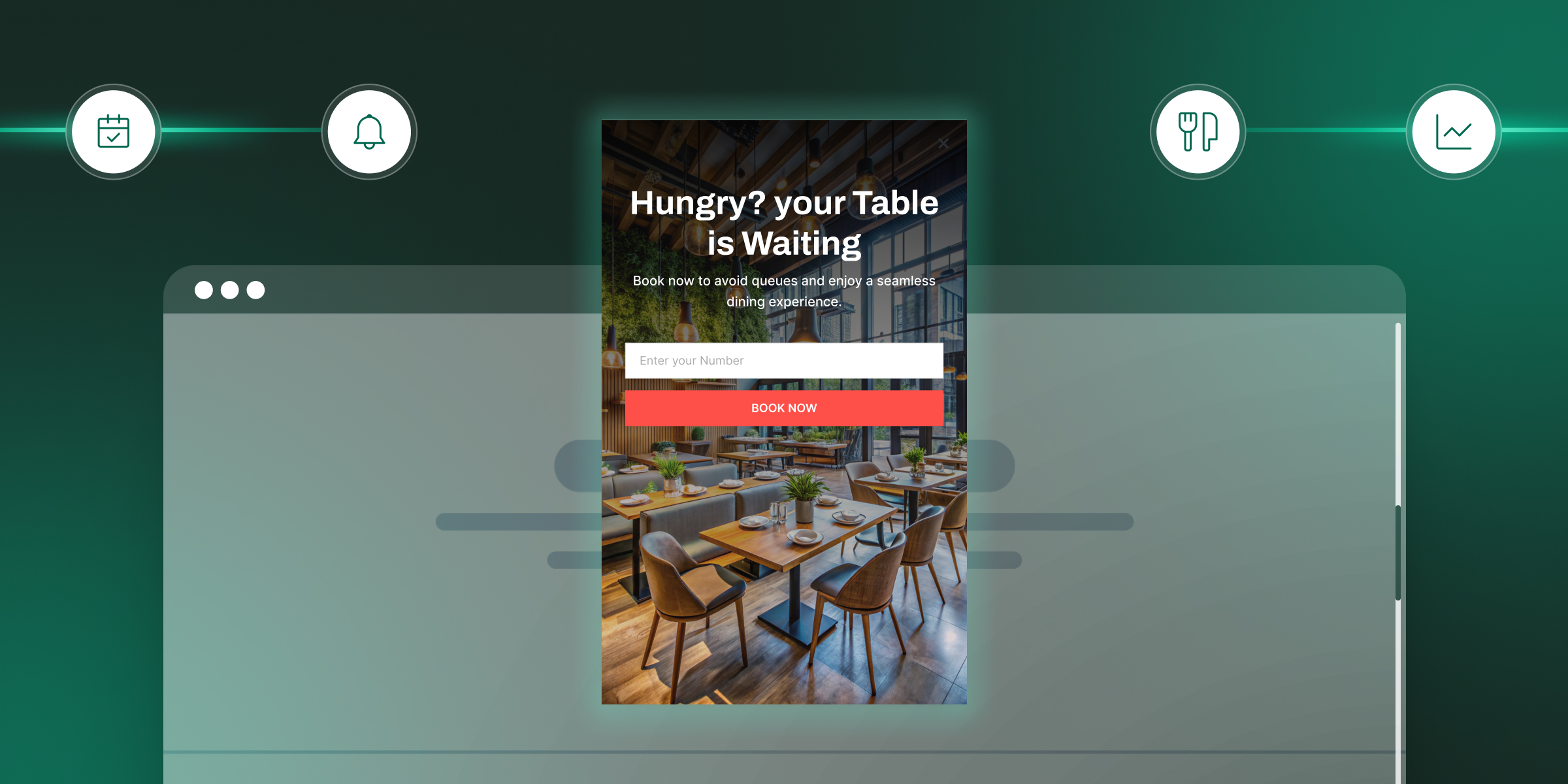
What Types of Popups Can You Add to Shopify Without an App?
Every major popup format works via the script-based method; you are not trading functionality for simplicity. Once the embed script is in your theme.liquid, you can create and publish any popup type from the SuperPopups dashboard without touching your store again.
| Popup Type |
Best Use Case |
Best Trigger |
Avg CVR |
| Exit Intent Popup |
Cart abandonment recovery, last-chance offer |
Cursor moves toward close/back button |
3.94% avg / 17.12% on cart pages |
| Shopify Welcome Popup |
First-visit discount, email capture for new visitors |
Page load with 3–5 second delay |
4–6% |
| Shopify Email Capture Popup |
List building, subscriber growth |
Scroll depth 40% or 30-sec time delay |
2.1–5.37% |
| Shopify Cart Abandonment Popup |
Recovering lost revenue at cart and checkout |
Exit intent on cart + checkout pages only |
17.12% |
| Shopify Popup Discount |
Flash sales, first-order offers |
Exit intent or time delay |
5–8% |
| Sticky Bar |
Free shipping threshold, ongoing sale announcement |
Persistent, visible on all scroll |
2–4% |
The strongest combination for most Shopify stores: a sticky bar for a persistent free shipping announcement that every visitor sees passively, plus an exit intent popup on the cart page for last-chance discount recovery. These two do not compete, they cover opposite ends of the visitor intent spectrum.
Read More: Popup for Ecommerce: How to Use Popups to Increase Sales
Does Adding a Popup to Shopify Without an App Affect Page Speed?
No, not when using a lightweight, asynchronously loading script.
Here is exactly what happens when a visitor lands on your Shopify store with SuperPopups installed:
- Your Shopify store's HTML, CSS, and main JavaScript load first, and the full page renders normally
- The SuperPopups script (under 50KB) loads in the background, after your main content
- The popup fires only when the visitor triggers the rule you set, exit intent, time delay, or scroll depth
Because the script loads asynchronously, it never blocks your page from rendering. Your Largest Contentful Paint (LCP), Cumulative Layout Shift (CLS), and First Input Delay (FID) scores, the three Core Web Vitals Google uses to evaluate page experience, are unaffected.
For comparison: many Shopify app-based popup tools run between 150KB and 400KB of JavaScript on your storefront. Some load synchronously, which means they block page rendering until they finish loading. That is the scenario that damages store speed and Core Web Vitals scores. A sub-50KB async script is not in the same category.
Practical tip: Run your store through Google PageSpeed Insights before installing the script, then again after. In the vast majority of cases, the score difference is zero or within the normal margin of variation.
Recommended To Read: What is No-Code Popup Builder & Why It Matters (2026)
Ready to Add a Free Popup to Your Shopify Store? Start in Under 10 Minutes
Adding a Shopify popup without app installation is not a workaround or a compromise, for most store owners, it is the better approach. Faster page load. No app dependency. Platform flexibility. And a free plan that covers everything you need to go from zero to a live, converting popup in under 10 minutes.
SuperPopups gives you exit intent popups, welcome popups, email capture popups, cart abandonment popups, discount popups, and sticky bars, all managed from a single dashboard, all powered by one embed script in your theme.liquid. Free to start. No developer. No app.
👉 Start free at SuperPopups.com, no credit card, no code, no app required.
FAQs
1) Can I add a popup to Shopify without installing an app?
Yes. Sign up for a script-based popup tool like SuperPopups, build your popup in the visual editor, copy the embed script, and paste it once into your theme.liquid file just before the </body> tag. All future popups you create or edit go live automatically, no further changes to your theme required and no app added to your Shopify store.
2) How do I add a popup to Shopify theme.liquid?
Go to Shopify Admin → Online Store → Themes → Actions → Edit Code → open theme.liquid in the left file list → scroll to the bottom → find the closing </body> tag → paste your SuperPopups embed script just before it → click Save. This is a one-time step. All popup management happens from the SuperPopups dashboard after this — you never need to edit theme.liquid again.
3) What is the best free popup for Shopify without an app?
SuperPopups offers a free Shopify popup plan with no credit card required. It includes professionally designed popup templates, exit intent and time delay triggers, page and device targeting, display frequency controls, and a real-time analytics dashboard. Everything needed to build and run a Shopify popup no code campaign from day one, without installing an app or spending anything.
4) Does a Shopify popup without an app affect store speed?
No. SuperPopups' embed script is under 50KB and loads asynchronously; your store's page content renders first, and the popup script loads in the background. Core Web Vitals scores (LCP, CLS, FID) are unaffected. Verify this yourself by running your store through Google PageSpeed Insights before and after installation; the score difference should be zero or negligible.
5) How do I add an exit intent popup to Shopify without an app?
Sign up for SuperPopups → create a new popup and select exit intent as the popup type → set the trigger to exit intent → set page targeting to your cart page and checkout page only → customize your headline and CTA → copy the embed script → paste into theme.liquid just before </body> → save. The Shopify exit intent popup is live and will fire the moment a visitor's cursor moves toward the browser close or back button on those pages.
6) Do Shopify popups hurt SEO?
No, not when implemented correctly. Google only penalises "intrusive interstitials" that block mobile content immediately on page load. A popup triggered by exit intent, time delay, or scroll depth using a lightweight async script does not qualify as an intrusive interstitial and does not affect your store's organic rankings or Core Web Vitals scores. The risk is only with popups that fire instantly on mobile page load and cover the full screen before the visitor can see any content.



.avif)







.jpg)




.jpg)


.jpg)



.jpg)

.jpg)
.jpg)


.jpg)