Most website visitors leave without doing anything. No email address, no purchase, no demo booking, just a quick scroll and they're gone. Studies consistently show that the average website converts between 1% and 3% of its traffic. That means 97 out of every 100 visitors are slipping away, often without you even knowing why.
Popups change that equation. But here's the thing: for years, adding a popup meant hiring a developer, writing custom JavaScript, and waiting days for a simple overlay to go live. That's exactly the problem a no code popup maker solves.
If you're running a SaaS business, an ecommerce store, or any kind of website and you want to capture more leads, recover abandoned visitors, and grow your email list, without touching a single line of code, this guide is for you.
What Is a No-Code Popup Builder?
A no code popup builder is a tool that lets you design, customize, and publish popups on your website using a visual editor, no coding knowledge, no developer, and no custom scripts required. You pick a template, edit the text, set your trigger rules (like exit intent or time delay), and publish. The whole process takes minutes, not days.
The "no-code" part means there's no HTML, CSS, or JavaScript involved on your end. The tool handles all the technical complexity in the background. You just focus on the message and the offer.
This matters more than it sounds. For most small businesses, SaaS startups, and ecommerce stores, the bottleneck isn't creativity, it's execution. A popup builder for non-technical users removes that bottleneck entirely.
How Is It Different from a Traditional Popup Builder?
Traditional popup tools either required you to write custom code from scratch or gave you such a rigid, template-locked experience that you spent more time on workarounds than building.
Here's how a modern no code popup builder compares:
| Feature |
No-Code Popup Builder |
Code-Based Popup |
| Setup Time |
Under 5 minutes |
Hours to days |
| Developer Required |
❌ No |
✅ Yes |
| Cost |
Low / Free plan available |
High (dev costs) |
| Customization |
High (visual editor) |
Very high (full code) |
| Platform Flexibility |
Works on any website |
Platform-dependent |
| Speed Impact |
Minimal (lightweight script) |
Varies |
| Best For |
Marketers, founders, small teams |
Enterprise dev teams |
| Analytics |
Built-in dashboard |
Custom build required |
The difference is simple: a no-code popup builder for website owners puts control back in the hands of the people who actually understand the business, without waiting on a developer queue. That's exactly what makes a popup builder without coding the smarter workflow for fast-moving teams in 2026.
How Does a No-Code Popup Builder Work?
A no code popup builder works through one of two delivery methods: a Shopify app or a script embed that you paste once into your website's code. Once that's done, every popup you create, edit, or publish is handled entirely inside the tool's dashboard, no further code changes needed.
Here's what happens under the hood:
- You create a popup in the visual editor by selecting a Popup template and customizing the content.
- You set trigger rules, for example, show this popup when a visitor is about to leave (exit intent), after 30 seconds on the page, or after scrolling 40% down.
- You define targeting, which pages, which visitor types (new vs returning), which devices.
- The tool deploys it through the embed script already installed on your site.
- The analytics dashboard tracks views, clicks, and conversions in real time.
That's the full loop. No code, no deploys, no developer.
Step-by-Step: How to Create a Popup Without Coding
Wondering how to create a popup without coding? Here's exactly how it works with a tool like SuperPopups:
Step 1: Sign up for free
Go to app.superpopups.com and create a free account. No credit card required.
Step 2: Choose a template
Browse the template library and pick one that fits your goal, email capture, exit intent, discount offer, or announcement.
Step 3: Customize your popup
Use the no-code editor to change the headline, body text, CTA button, colors, and images.
Step 4: Set your trigger
Choose when the popup should appear: on exit intent, after a time delay, at a scroll depth, or on a specific page.
Step 5: Set targeting rules
Target specific pages (like your pricing page or blog), specific visitor types, or specific devices.
Step 6: Copy the embed script
SuperPopups gives you a single lightweight popup builder script embed, under 50KB, that you paste once into your website's </body> tag.
Step 7: Publish and track
Go live instantly. Monitor views, click-through rates, and conversions in the real-time analytics dashboard.
That's it. This is what how to add a popup to your website without code looks like in practice, start to finish in under ten minutes.
What Types of Popups Can You Build Without Code?
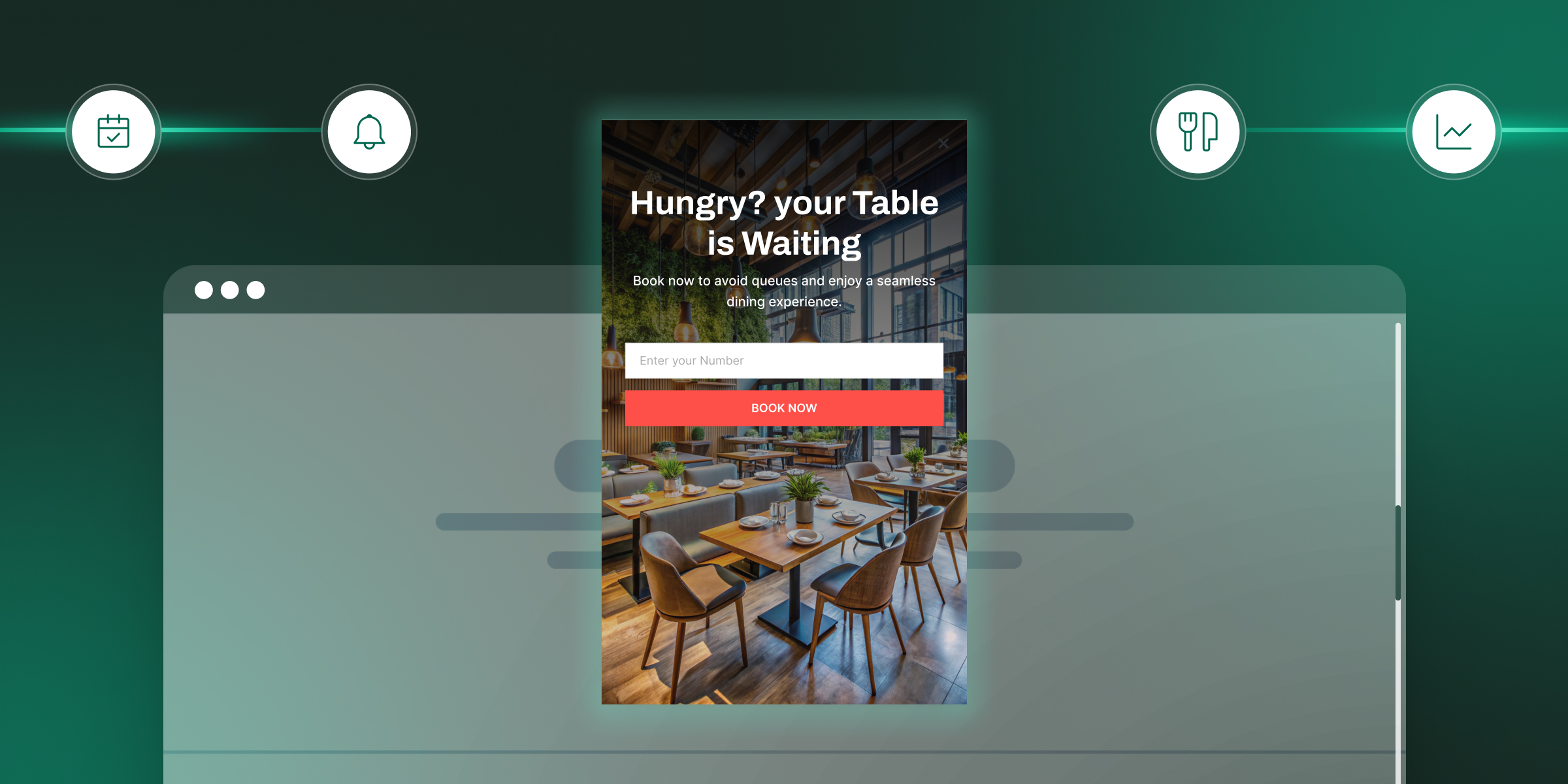
One of the most common questions people have is: What types of popups can I build without code? The answer is: all of them. A good no code popup builder for website campaigns supports every major popup format. Here's a breakdown:
Exit Intent Popup
A no code exit intent popup detects when a visitor's cursor moves toward the browser's close button or back arrow and triggers a popup at that exact moment. It's the digital equivalent of a last-chance offer before someone walks out the door.
Exit intent popups are among the highest-converting popup types for ecommerce and SaaS. They work especially well for cart abandonment recovery, trial extension offers, and newsletter sign-ups. When done right, exit intent campaigns can recover 5–7% of visitors who would otherwise leave without converting.
Email Capture Popup
A no code email capture popup is designed to collect email addresses in exchange for something valuable, such as a discount code, a free guide, early access, or a free trial offer.
Email popups are the most widely used popup format for a reason: email marketing delivers an average ROI of $42 for every $1 spent. But that ROI only happens if you have the list. An email capture popup is the fastest way to build that list from your existing traffic.
Discount / Welcome Popup
A welcome popup shows on a visitor's first page load and typically offers a first-time discount or a free resource in exchange for an email. For ecommerce stores and SaaS free trials, this is one of the most effective ways to convert a cold visitor into a lead within the first 30 seconds of their visit.
The welcome popup is a staple of popup builder for small business use cases. It's simple, high-converting, and requires zero technical skill to set up.
Sticky Bar Popup
A sticky bar is a slim, persistent banner fixed at the top or bottom of the screen that stays visible as the user scrolls. It doesn't interrupt the browsing experience; it just keeps your offer in view at all times.
Sticky bars work well for ongoing promotions, webinar countdowns, free shipping thresholds, and trial reminders. They're especially effective on product pages where you want to keep a CTA visible without blocking the main content.
Gamified Spin-to-Win Popup
Gamified popups like spin-to-win wheels add an interactive layer to lead capture. Instead of a standard "enter your email for 10% off," the visitor spins a wheel to reveal their discount, which makes the whole experience more engaging and memorable.
Gamified popups consistently outperform standard discount popups in engagement, with some campaigns achieving up to 15% conversion rates. They're particularly popular for e-commerce stores that want to make their free popup builder no-code campaigns feel more creative and on-brand.
Read It: What are the Types of Popups for SaaS Websites?
Why Does a No-Code Popup Builder Matter for Your Business?
Here's the real question: does this actually make a difference? The data says yes.
- Popups have an average conversion rate of 11.09% across e-commerce.
- Exit intent popups recover up to 7% of abandoning visitors when a relevant offer is shown
- Email popups grow subscriber lists faster than any static sign-up form
- Businesses using popups report up to 3x more lead capture compared to passive CTA buttons
But the impact goes beyond conversion rates. Here's why a no code popup builder specifically matters:
No Developer Needed: Launch in Minutes
The most underrated benefit of a popup builder without coding is the speed it gives your marketing team. Want to test a new exit intent offer this week? Done in 10 minutes. Want to run a 48-hour flash sale popup? Live in five. No ticket, no sprint, no waiting.
For early-stage startups and small teams especially, this speed is a genuine competitive advantage. Every campaign you can run faster is another data point that helps you optimize faster.
Works on Any Platform: Shopify, WordPress, Webflow & More
A good lightweight popup builder like SuperPopups is script-based, which means it works on any website regardless of the platform. Whether you're running a no code popup builder for Shopify store, a no code popup builder WordPress site, or a no code popup builder for Webflow project, the same embed script works everywhere.
This is a meaningful advantage over app-based tools that lock you into a single platform. If your business ever expands to a second site, a new CMS, or a different stack, your popup setup moves with you.
Must Read: Best Popup Builder for Shopify Stores (2026)
Lightweight & Fast: No Impact on Page Speed
One of the biggest concerns marketers have about popup tools is whether they'll slow the site down. This is a valid concern; heavy third-party scripts can damage Core Web Vitals scores and hurt SEO.
SuperPopups' popup builder script embed is under 50KB, which is significantly lighter than most app-based tools. It loads asynchronously, meaning your page content loads first and the popup script loads in the background. Your Core Web Vitals stay clean, and your visitors get a fast experience.
Real-Time Analytics Built In
Knowing that a popup is "live" is not enough. You need to know how it's performing. A proper best no code popup builder includes a real-time analytics dashboard that shows:
- How many visitors saw the popup
- How many clicked the CTA or submitted the form
- Conversion rate by popup type, page, and audience
- Performance over time so you can spot trends
SuperPopups includes all of this built in, so you're not flying blind.
Who Should Use a No-Code Popup Builder?
The short answer: anyone who wants more leads, more conversions, or more engagement from their existing website traffic, without relying on a developer.
More specifically, a no code popup builder free or paid plan is the right fit for:
- Ecommerce store owners on Shopify or WooCommerce who want to reduce cart abandonment and grow email lists
- SaaS founders who want to promote free trials, capture demo requests, and reduce churn with exit intent campaigns, a classic popup builder for SaaS use case
- Content creators and bloggers who want to build an email list faster from their existing readers
- Marketing teams that want to run campaigns without creating developer tickets for every new test
- Agencies managing multiple client websites who need a tool that deploys quickly across different platforms
- Small business owners who want a popup builder for small business that's affordable, fast, and doesn't require technical knowledge
If you recognize yourself in any of these, a no-code popup builder is the right tool for your next growth push.
No-Code Popup Builder vs. Code-Based Popup: Which Is Better?
This depends entirely on your team and your goals. Here's an honest look at both:
A code-based popup gives you maximum customization. If you have a developer and specific brand requirements that go beyond what templates offer, a custom-built popup can match your design pixel-perfectly. The tradeoff is time, cost, and dependency; every change needs a developer.
A no code popup builder gives you speed, independence, and enough customization for the vast majority of use cases. You can match brand colors, fonts, and imagery. You can run A/B tests. You can set complex targeting rules. And you can do all of it yourself, today.
For most businesses, especially those under 100 employees, the no-code option wins on practical grounds. The create popup without coding approach isn't a compromise. It's the smarter workflow for teams that need to move fast and test often.
What to Look for in the Best No-Code Popup Builder
Not all no code popup builder for websites are built equally. Here's a checklist of must-have features before you commit to any tool:
| Feature |
Why It Matters |
| Easy visual editor |
Build popups without any technical skill |
| Exit intent trigger |
Recover abandoned visitors before they leave |
| Scroll depth and time delay triggers |
Target visitors who are already engaged |
| Mobile-responsive templates |
Works correctly on all screen sizes |
| Lightweight embed script |
No negative impact on page speed or Core Web Vitals |
| Free plan available |
Test the tool before committing to a paid plan |
| Multi-platform support |
Works on Shopify, WordPress, Webflow, and more |
| Real-time analytics dashboard |
Track conversions and optimize campaigns |
| A/B testing capability |
Improve performance over time with data |
| Email tool integrations |
Connect to Mailchimp, Klaviyo, HubSpot, and others |
SuperPopups checks every item on this list. It's built specifically as a lightweight popup builder for businesses that want fast setup, platform flexibility, and reliable performance, without the bloat of heavier tools.
Must Read: Popup Design Best Practices: UI, UX & Psychology for Higher Conversions 2026
FAQs
1) What is a no-code popup builder?
A no code popup builder is a tool that lets you create and publish website popups using a visual editor, no coding, no developer, no custom scripts required on your end. You choose a template, customize it, set your targeting rules, and go live.
2) How does a no-code popup builder work?
It works through a single lightweight embed script you paste once into your website. After that, all popup creation and editing happens in the tool's dashboard. Changes go live instantly without touching your site's code again.
3) How do I add a popup to my website without code?
Sign up for a tool like SuperPopups, build your popup in the visual editor, copy the embed script, and paste it into the </body> section of your website's HTML. For Shopify, paste it into your theme.liquid file. For WordPress, you can use a header/footer plugin. The whole process takes under 10 minutes.
4) What are the benefits of a no-code popup builder?
The main benefits are: no developer dependency, faster campaign launches, lower cost, multi-platform compatibility, built-in analytics, and the ability to test and iterate quickly without a technical bottleneck.
5) What types of popups can I build without code?
All of them. Exit intent popups, email capture popups, discount and welcome popups, sticky bars, countdown timers, gamified spin-to-win popups, and feedback survey forms. A full-featured no code popup builder free or paid plan covers every major popup format.
6) Does a no-code popup affect website speed?
Not if you use the right tool. SuperPopups uses a script under 50KB that loads asynchronously, meaning it has minimal impact on page load time and Core Web Vitals. Always check the script size and loading method before choosing any popup tool.
7) Is there a free no-code popup builder?
Yes. SuperPopups offers a free plan with no credit card required. It includes access to core templates, triggers, and analytics so you can test the tool and see results before upgrading.
8) Can I use a no-code popup builder on Shopify, WordPress, and Webflow?
Yes. Because SuperPopups is script-based rather than app-based, the same embed code works on any platform. It's a fully functional no code popup builder Shopify, no code popup builder WordPress, and no code popup builder Webflow solution in one.
Final Thoughts: Why a No-Code Popup Builder Is Worth Using in 2026
Every website has two problems: not enough traffic and not enough conversions from the traffic it already gets. Most businesses pour all their energy into the first problem and ignore the second.
A no code popup builder is one of the most cost-effective ways to fix the second problem. You don't need more traffic. You need to do more with the traffic you already have, capture the email, make the offer, recover the cart, ask for the demo. Popups, when timed right and targeted correctly, do exactly that.
The tools available today make this easier than it has ever been. You don't need a developer. You don't need a big budget. You don't need to wait. With a tool like
SuperPopups, you can have your first exit intent popup or email capture campaign live today, for free, and start seeing results this week.
If you've been putting off popups because it seemed too technical or too complicated, this is your sign that it isn't anymore.
👉 Start for free at SuperPopups, no credit card, no code, no developer needed.
Recommended To Read: Top 10 Webflow Popup Builder Tools 2026


.jpg)
.avif)






.jpg)




.jpg)


.jpg)



.jpg)

.jpg)


.jpg)